
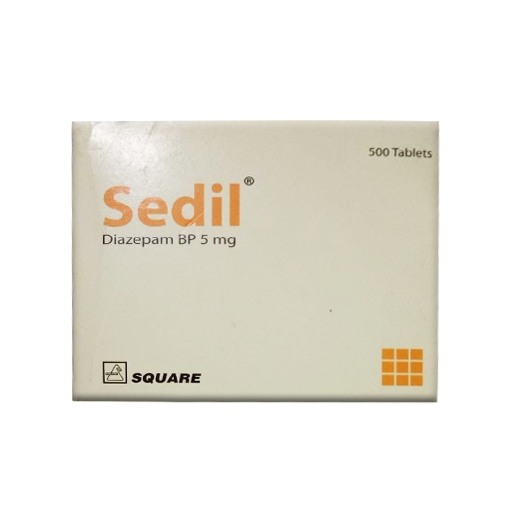
Diazepam 5 mg uses and therapeutic applications
Doctors may prescribe Diazepam 5 mg when they need to reduce excessive nervous-system activity or relax tense muscles. Depending on the patient's condition, healthcare professionals may use it for:
- Short-term treatment of severe anxiety
- Muscle spasms and associated muscle tension
- Certain seizure disorders
- Symptoms related to alcohol withdrawal
- Short-term sleep problems associated with anxiety in appropriate cases
Features of Diazepam 5 mg
Diazepam 5 mg produces several effects through its action on the GABA system. Healthcare professionals may use these properties when treating appropriate medical conditions.
- Calms excessive activity within the central nervous system
- Produces anxiolytic effects that can reduce severe anxiety
- Relaxes skeletal muscles and can ease muscle spasms
- Supports the management of certain seizure conditions
- Helps control some symptoms of alcohol withdrawal
- Produces sedative effects that may support short-term treatment in selected cases
- Requires careful medical supervision because repeated use can cause dependence
Possible side effects of Diazepam
Diazepam can cause unwanted effects, particularly when the patient takes a higher dose or combines it with other substances that produce sedation. Common adverse effects include:
- Drowsiness
- Dizziness
- Tiredness
- Muscle weakness
- Reduced concentration
- Poor coordination
- Confusion
- Memory difficulties
Diazepam (Sedil 5 mg) product specifications
| Specification | Details |
|---|---|
| Generic Name | Diazepam |
| Brand Name | Sedil |
| Strength | 5 mg |
| Manufacturer | Square Pharmaceuticals PLC |
| Drug Class | Benzodiazepine |
| Main Uses | Anxiety, muscle spasms, selected seizures, alcohol withdrawal |
| Mechanism | Enhances the effects of GABA in the central nervous system |
| Dosage Form | Tablet |
| Route of Administration | Oral |
| Metabolism | Primarily hepatic |
| Elimination | Mainly through urine as metabolites |
| Common Adverse Effects | Drowsiness, dizziness, weakness, impaired coordination |
| Important Risks | Dependence, withdrawal, excessive sedation, respiratory depression |
| Treatment Duration | Usually short-term or closely monitored |
| Storage | Follow the storage instructions provided with the product |